
If you’re starting your journey behind the wheel, you may wonder: how many driving lessons do I need? It’s a common concern, especially if you want to pass quickly. Everyone learns at a different pace—some pick up skills faster, others need more time to feel confident. With an understanding of the process and a plan, you’ll be prepared.

How Many Driving Lessons Do I Need & What Influences the Total?
In this article, we’ll break down everything you need to know about learning to drive, including how many lessons you might need, how to speed up your progress, and what can help you feel test-ready.
- How Many Hours of Driving Lessons Do I Need?
- How Many Automatic Driving Lessons Do I Need?
- How to Pass Your Driving Test Quickly
How Many Hours of Driving Lessons Do I Need?
On average, new drivers in the UK typically need about 45 hours of professional lessons and about 20 hours of private practice before feeling ready for the driving test. However, these figures can vary widely. Some people may need significantly more or fewer hours depending on confidence, natural ability, and how often they practise.
Someone familiar with cars and road rules might learn faster. Others new to driving may need more guidance to build road awareness. Focus on quality lessons with clear objectives over lesson quantity.
Learners taking driving lessons in Luton often benefit from initially planning lessons around quieter roads and residential areas, gradually progressing to busier streets and roundabouts. Once you start, it is a good idea to familiarise yourself with the upcoming test changes that the DVSA are making, so you’re practising the right skills from the very beginning.
The number of lessons you take each week can affect how well you remember and apply what you’ve learnt. Spacing them out a little can help the information stick, while doing lessons back-to-back can speed up learning — though it can feel overwhelming if you haven’t had time to digest everything. Find a pace that feels right for you.
Breaking Down the Hours
- Initial lessons: The first 5–10 hours usually help you get familiar with the car, learn basic controls, and build confidence. Using a dual-controlled car ensures both you and your instructor have safety and control during your earlier lessons.
- Intermediate lessons: The next 20–25 hours generally focus on developing skills such as roundabouts, improving lane discipline, merging, and basic manoeuvres, including parking and reversing.
- Advanced lessons: The final 10–15 hours focus on refining your skills, handling trickier situations, and preparing you for your actual test route and driving conditions. Some may need a few more hours in this stage.
With this approach, learners build confidence gradually and avoid the common trap of cramming everything in at the last minute.

How Many Automatic Driving Lessons Do I Need?
Learning in an automatic car can sometimes make the process quicker. Automatic vehicles eliminate the need to manually change gears, allowing you to focus more on steering, road positioning, and overall awareness.
Learners taking automatic lessons often need about 10–15 fewer hours than those learning in manual cars, since they don’t have to worry about gear changes or clutch control. Instead of the typical 45 hours, you might be ready for your test after about 40 hours of professional lessons plus private practice. That said, it’s still important not to underestimate the need to master manoeuvres or build confidence in various situations.
Automatic cars are a great choice for learners who feel anxious about stalling or gear changes, making lessons more enjoyable and relaxed. When choosing a driving school in Luton, you may find some that specialise in automatic courses.
While you may require fewer lessons overall in an automatic car, it’s important to remember that you will still learn all the essential skills for safe driving—emergency stops, reversing around a corner, and parallel parking. With practice and encouragement, you’ll master each step and feel prepared for your test, whether in a manual or automatic car.
How to Pass Your Driving Test Quickly
If you’re eager to pass your test efficiently, combining structured lessons with personal practice is a good approach. Remember, every bit of effort adds up, and you’re moving closer to your goal with each session. Here are some strategies that learners often find helpful:
Choose the Right Driving Instructor
Having the right instructor can make a big difference to your progress. Look for someone who is patient, knowledgeable, and approachable. They should explain things clearly and adjust their teaching style to match your pace.
When choosing driving lessons in Luton, consider the following:
- Reputation: Take a look at reviews, ask friends, or search online to see what others say about local instructors.
- Experience: An instructor who has helped many learners pass on their first attempt can offer useful tips and guidance.
- Lesson structure: Find out how lessons are organised and whether they offer tailored sessions that focus on your progress.
- Trial lessons: Many schools offer an introductory lesson so you can see if the instructor’s style works for you.
Your instructor is there to help you stay motivated and calm. When learners feel stressed or overwhelmed, it can take longer to pick things up. At Drive 247 Luton, our lessons are clear and relaxed, so you can build confidence step by step with support from experienced instructors.
Practise Outside of Lessons
Professional lessons are essential, but practice outside of lessons helps consolidate skills. Supervised driving with a friend or family member gives you more time behind the wheel and experience with different traffic situations.
Some tips for effective practice include:
- Start in quiet areas and gradually progress to busier streets.
- Practice different areas such as parking, reversing, and roundabouts.
- Work on anticipation and hazard perception, which are key to safe driving.
- Go over the show-me, tell-me questions so you’re familiar with the safety questions in your test.
If you practice for 20 to 30 minutes a few times a week outside of your lessons, you’ll build confidence and improve your control. Combining this regular practice with your lessons can help you pass sooner and make fewer mistakes. Every bit of effort helps!

Consider an Intensive Driving Course
If you want to learn faster, an intensive driving course might work well for you. Instead of taking lessons over several months, you complete them in a short time, often one or two weeks, with frequent practice sessions.
This way of learning works best for people who already have some experience or feel comfortable with the basics. Since the lessons are close together, it’s easier to remember what you learn and keep making progress.
Key benefits of intensive courses include:
- Faster progress due to back-to-back lessons.
- Better recall, since you’re not leaving long gaps between sessions.
- Increased confidence from consistent practice.
- More focused preparation when a test date is already in mind.
Keep in mind that intensive courses can be challenging, especially if you’re new to driving. They take a lot of focus and effort in a short time, so they may not suit everyone.
Before you decide, think about how you learn best. Some people like regular weekly lessons, while others do better with a short, focused burst. No matter which you choose, the aim is to build the skills and confidence you need to pass your test.
Understand Common Mistakes Learners Make
As a learner, naturally, you will make mistakes even if you’ve taken a lot of lessons. Noticing them early is key to fixing them and building confidence behind the wheel.
- Overconfidence: Thinking you know everything can lead to risky driving.
- Not enough practice: If you only drive during lessons, it can take longer to feel confident on the road.
- Ignoring advice: Ignoring your instructor’s tips will lead to repeating the same mistakes.
- Mental preparation: Feeling nervous and stressed on the day of your test will add pressure and can throw you off. Try keeping an eye on mistakes other drivers make when you are out and about – it will help your anticipation skills.
- Skipping the basics: Trying the manoeuvres or busier roads before you feel confident with basic driving will withhold your progress.
Being aware of these common mistakes means you can practise and work through them if needed. Spotting problems early will make your overall learning a lot smoother and less stressful.

Book Your Test and Plan Ahead
Timing when you book your test really matters. Book too early and you add unnecessary stress and the risk of failing. However, if you wait too long, you could start to become lazy and pick up bad habits.
Check the dates at your local test centre and aim for one where you think you will be test-ready and confident.
Planning to take a few extra lessons before your test can be really useful. They give you a last chance to practise areas you’ve been struggling with and help boost your confidence for the big day.
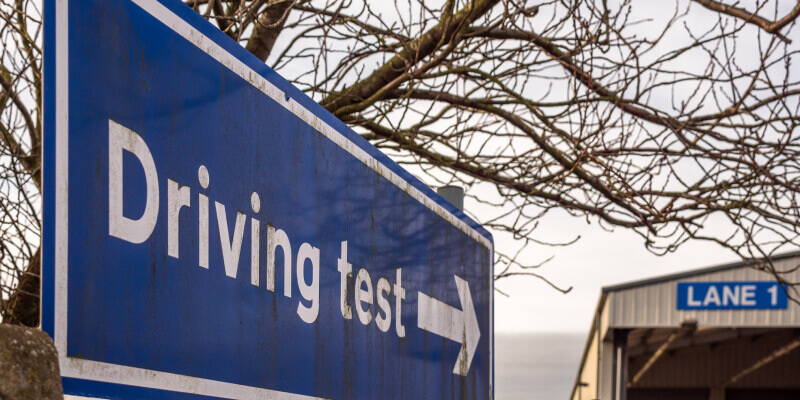
Mental Preparation
Being confident while driving matters just as much as having strong driving skills. Many learners focus on practice, but getting your mind ready for the test can really help you do better on the day.
Getting used to different situations and reviewing what you know can help you feel less nervous and make better choices during your test.
Here are some helpful ways to get your mind ready:
- Look over the Highway Code again to remind yourself of the road rules.
- Watch instructional videos to see how different driving situations play out.
- Talk through possible scenarios with your instructor so you know what might happen.
- Take some time to picture common test routes or manoeuvres in your mind. This can help you feel more confident.
Taking a little time with these steps can help you stay calm, stay focused, and feel prepared for your test.
Final Thoughts
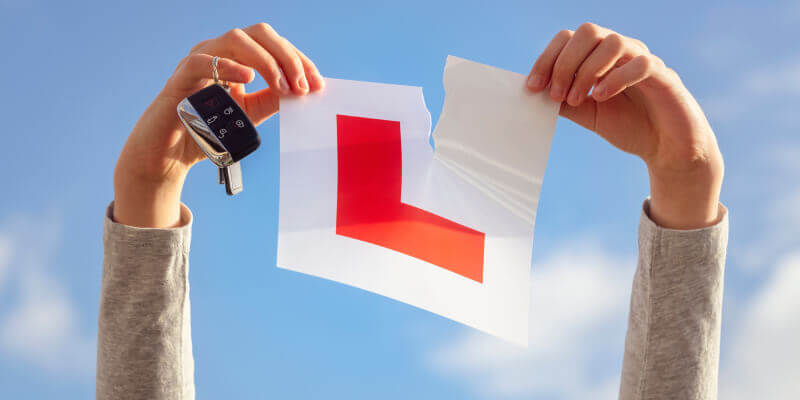
Passing your test is a huge achievement, but it’s just the start of becoming a confident driver. The skills you’ve practised, the lessons you’ve taken, and even mistakes help build the experience you need to drive safely.
Everyone learns at a different pace, so focus on what works for you instead of comparing yourself to others. Planning lessons carefully, practising regularly, and mentally preparing for different situations can make the test day much less stressful.
Confidence grows with experience. Even after passing, driving in different situations helps make manoeuvres feel easy and strengthens your decision-making. Over time, things that once felt tricky, like parking, roundabouts, or heavy traffic, will become second nature.
The best approach is to take things step by step. Consolidate your skills, work on weaker areas, and celebrate your progress along the way. With patience and persistence, you won’t just pass your test — you’ll gain the skills and confidence to enjoy safe driving for years to come.